As Northern Rail’s timetable changes cause widespread chaos – upending passengers’ professional and personal lives – commuters furiously demand answers, and the call could not be clearer: where is the promised ‘Powerhouse’?
Since May 18th, Northern Rail has cancelled over 2000 services – an average of 165 a day. Commuters have been left stranded, out of pocket, confused and even suffering in their professional lives as they struggle to adjust their journey to work.
With pressure growing on Northern Rail and the possibility that its owners will be unable to hold the franchise much longer, questions are being asked across the North. Can Northern recover? Will the timetable be fixed to everybody’s satisfaction? And does this show a failing in the Northern Powerhouse movement?
Changing Time
As a rail franchise, Northern has had its fair share of controversies in the past, with angry commuters criticising late trains, lack of staff, and rising fares – all in a day’s work for a transport provider.

The latest controversy which Northern finds itself embroiled in, however, has caught the attention of the government and the Transport Minister, and has drawn the ire of the public and Northern leaders, such as Andy Burnham.
Annual amendments to timetables is an inevitable part of running a rail franchise, with minor changes occurring each time – you may have noticed your usual commute time moving by 3 or 4 minutes in the past. This year, like with Govia Thameslink, Northern Rail decided instead to re-write the timetable from scratch.
The problem with a completely new timetable is the amount of preparation which goes into launching it – preparation, critics say, has been neglected. This includes training new train drivers, updating staff on changes, and ensuring that commuters can get home at night.
Responding to Crisis
With trains running on time dropping from 94.5% in April to just 57.5% by June 1st, and threats of penalties and fines mounting, it’s clear that Northern is in a state of crisis. In response, they have issued an emergency timetable, scrapping roughly 9000 journeys over two months.

Greater Manchester Mayor Andy Burnham has other ideas, calling for Northern to reimburse commuters with monthly tickets who have lost out, whilst also making tickets valid on TransPennine Express trains, buses and the Metrolink. Northern Rail cannot, Burnham assures, “be allowed to benefit financially from the current crisis”.
But with so many unhappy commuters having to sacrifice downtime, money and professional stability, there’s a call for much more than reimbursement and flexible rail tickets: people want to know what happened to the Northern Powerhouse.
Where is the Powerhouse?
If you’re a regular reader of this blog, you’ll know that myself and Kaleida are keen to explore the potential of the Northern Powerhouse and its transformative potential for the region.

Unfortunately, the Northern Rail crisis has highlighted a few glaring issues: firstly, that the North remains wholly underfunded as a region, and secondly that the Northern Powerhouse movement is being neglected by Westminster.
Plans for the Northern Powerhouse promised the region improved transportation, reduced commuter times, and the ability to rival London in terms of investment and growth. In the face of the current rail crisis, it’s become clear that the Powerhouse is suffering from government setbacks, reluctance to sign off on upgrades, and a woeful lack of investment.
Lighting a Fire Under the Powerhouse
Joining together in a day of action, the region’s news titles have called upon commuters and members of the public alike to sign a petition demanding the government meet its Northern Powerhouse obligations.
It’s clear then – despite attempts by the Minister for Transport, Network Rail and Northern to pass the buck – that region-wide failings and a no-show for the promised Powerhouse are being eyed-up as the underlying cause of the recent rail fiasco. So how can things change?
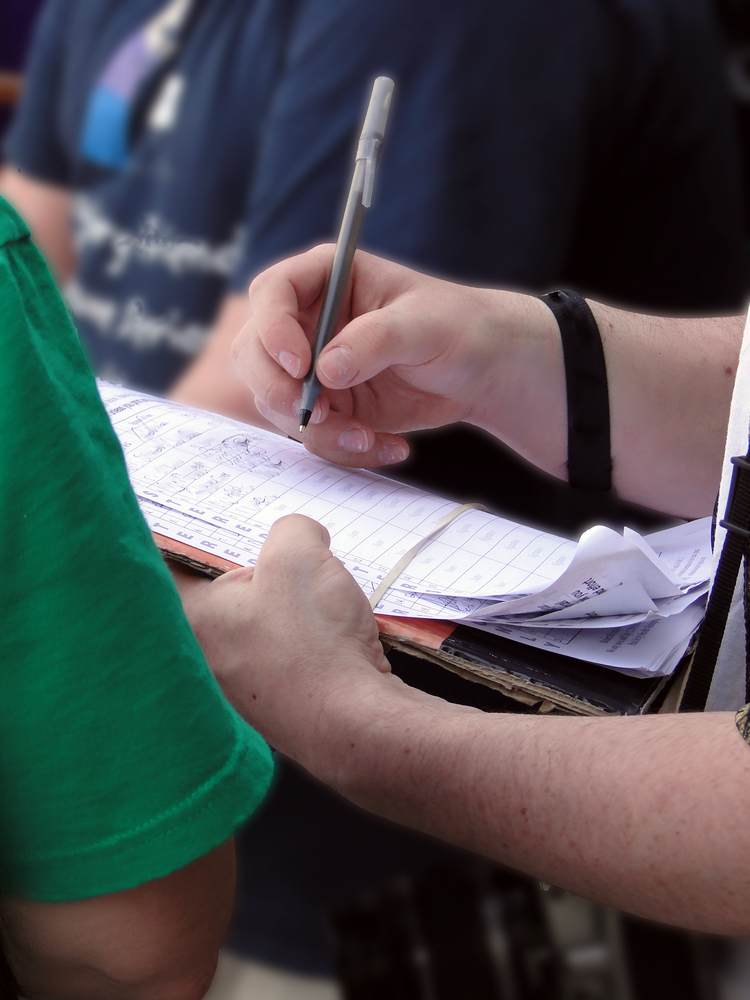
If the petition does its job – reigniting public interest in the Powerhouse and sending a strong message from the North to Westminster – then we could see the movement get the kick-start it deserved when it was first announced under George Osborne.
Although the Powerhouse has had its powerful and influential supporters, one thing it has lacked is public support – mainly because little has been done to promote the movement to the average individuals who would benefit under it. This crisis, for all its faults, has brought the Powerhouse into the public consciousness.
What’s more, a successful campaign from the region’s media outlets and Powerhouse supporters could finally see the long-promised rebalancing between North and South, with delayed (and much needed) upgrades finally being approved.
With the Powerhouse gaining the support it needs, we could see the Northern Rail crisis finally come to an end – and the region’s time in the sun finally beginning. But first, there’s the matter of cancelled trains and angry commuters to overcome.
Kaleida is a bespoke software development house based in Greater Manchester. We’re passionate about the region we call home, and the work that we do. To find out more about how we’ve helped businesses to flourish with bespoke software, visit our case studies page, or feel free to get in touch to book a free software review.