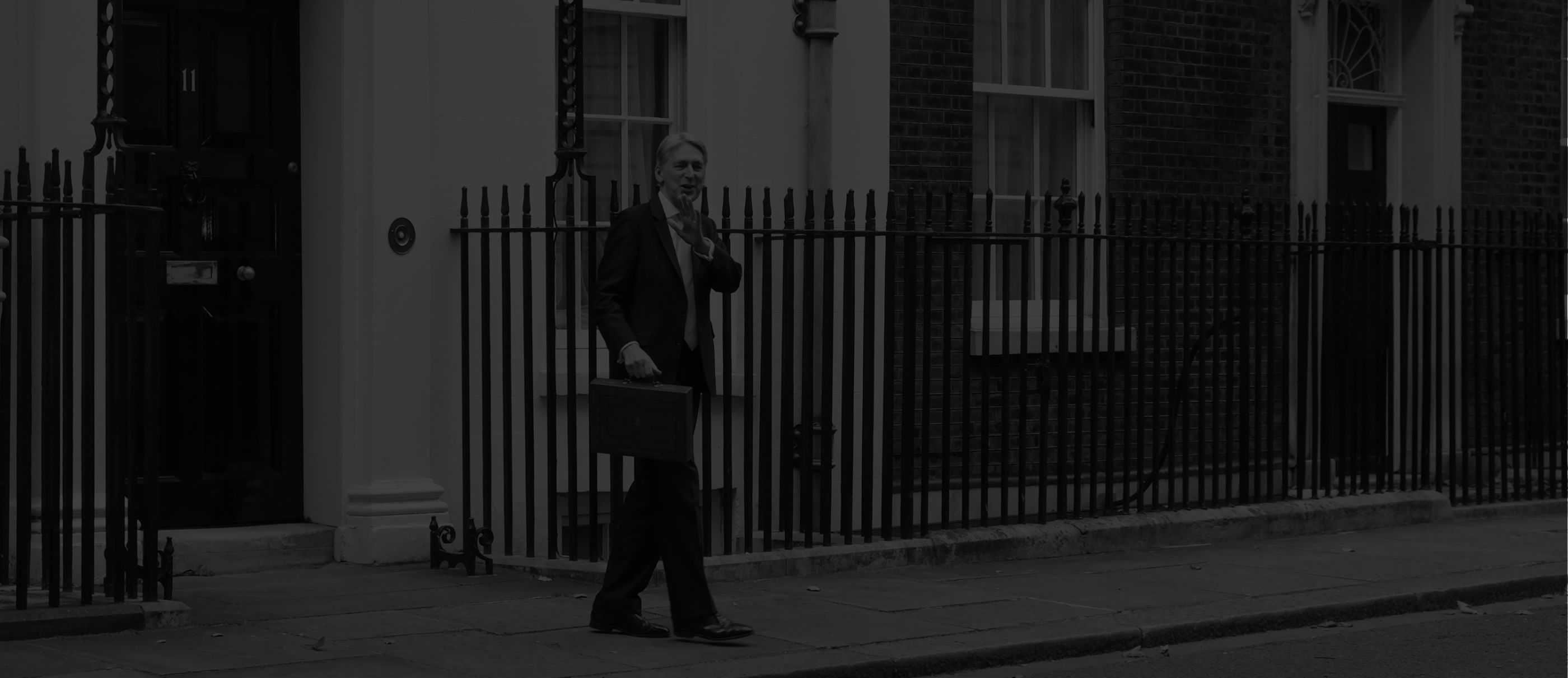

Now the dust has settled following the budget announcement, and talk returns to Brexit and Trump, we take a moment to review the budget headlines. As business leaders, can we really build on the promises of the autumn budget, or will it all be thrown out once a Brexit deal is in place?
Philip Hammond has dealt with the immediate reaction following last month’s budget announcement. Overall, the reception to the autumn budget from business leaders has been fairly positive. Many cited the increased funding for investment as crucial for businesses navigating an uncertain economical forecast. But is it enough?
The uncertainty surrounding the impact of Brexit continues to restrain businesses from investing and innovating, so anything that will encourage movement and growth is very welcome. But is the investment to be short-lived, and can we really make any kind of long term forecasts when there are still so many questions to be answered regarding the impending Brexit deal?
Good news for businesses – Apprenticeships fees halved
One announcement that should positively affect our clients is news surrounding the employer contributions for apprenticeships. Some could be as much as halved from 10% to 5%, as part of a £695 million package to support apprenticeships. Since the initial announcement however, that the change would come into effect in April 2019, the Treasury has backtracked on this, stating no fixed date has been decided.
If you’ve followed our blog for some time you’ll know that we are keen advocates for apprenticeship schemes and continue to actively look for ways to encourage a diverse range of young people into the digital sector. We discussed the original announcement regarding the Apprenticeship Levy on our blog here and whether it could go some way to tackle the skills gap at that time.
Good news for businesses and employees – Allowances increased, rates reduced
The personal allowance will be increased from £11,850 to £12,500, with the threshold for higher rate income tax also increasing to £50,000. According to the Treasury, this will mean approximately one million people will stop paying the higher rate. The annual investment allowance (AIA) will be increased to £1m for two years form 1st January 2019, however the majority of businesses are likely to be unaffected. Perhaps more impactful is a revised form of industrial buildings allowance, now called the structures and buildings allowance.
Last week we discussed Amazon’s retail revolution and the potential affect this could have on our high streets. The budget goes some way to respond to the current struggles by looking to tax the tech giants and also offer help to our high streets with £675 million worth of co-funding for local councils to plan the future of their high streets.
Also, it’s good news for small businesses that will see their business rates cut by over a third, over a two-year period, a potential saving of £8000.
Is it good news? – The Digital Services Tax
There were some concerns that in an attempt to ‘catch’ and tax the tech giants, that other smaller online retailers would be hit by the new digital services tax; a 2% tax on sales by large social media platforms, internet marketplaces and search engines. However, it will only apply to businesses that generate at least £500m a year in global revenue, essentially targeting the likes of Facebook, Amazon and Google. Hammond has earmarked April 2020 for the new levy. As expected, the US has hit back, claiming the proposal would violate tax agreements by targeting US firms.
And what about our contractors?
Public sector IR35 reform will be extended to the private sector, but not until 2020. Small businesses will be exempt, and HMRC have promised support to medium and larger organisations. There are concerns regarding the different rules depending on the different sizes of the organisations. Greater concern is that the highly skilled contractors that many sectors rely on could see their take home pay suffer large cuts, resulting in a loss of these skilled contractors, or alternatively, it will be more attractive for contractors to work for ‘small’ businesses as opposed to ‘large’ ones.
It is yet unclear as to how the size of an organization will be determined. It could result in what I like to call, a massive headache for all concerned. We expect more news on this over the coming months as the Treasury looks to consult on the different areas of reform.
Can businesses really plan on the basis of the autumn budget?
Despite the initial warm reception, thought has turned again to the future. Some are questioning whether the budget really provides any kind of long term plan for businesses, or whether the announcements are simply a stopgap until the spring statement. Is it wise to make long-term plans whilst questions surrounding the Brexit deal – or no deal – remain unanswered?
Ultimately, businesses can’t become stagnant. Leaders need to be bold and continue to innovate whatever the client climate is in order to survive, yet many will still be holding back to see what the Spring statement reveals.
As a bespoke software development company, we encourage our clients to look beyond the short-term need, and work with us to create an agile solution that grows as the company grows. This sometimes means a bigger initial investment than an off the shelf software package, but it also means that our clients won’t be locked into a license agreement for a piece of software that just doesn’t fit the direction they’re going in.
Kaleida is a bespoke software development house based in Manchester. Our team ensure they understand the political headlines and how they could impact our clients. For more news and insights, be sure to visit the Kaleida blog. Or, to find out about how we can help your business to thrive, be sure to get in touch.