For many years, the North was a leading region of industrial power in the UK. It’s only over more recent decades that that power has somewhat diminished – until now. With the Northern Powerhouse continuing to gain traction and several landmark devolution deals on the horizon, the North is on its way to becoming the region to beat.
Not all have welcomed the idea of the Northern Powerhouse and its mission to redress the balance between London and the North. For some, they see Manchester as the focus of the movement, to the detriment of the other cities, and then there are areas such as the West Midlands, that feel overlooked. In order to appease such regions – both those included in the Northern Powerhouse, and those outside its reach – would a solution be to introduce more, regional movements?
Pointing True North
Of the many criticisms levelled at the Northern Powerhouse, the most prevalent is perhaps that some people don’t consider Manchester to be ‘the North’. That’s not to say they’re arguing over geography, but more that the city has taken primary focus. Critics argue that the focus of the Northern Powerhouse should be on Newcastle instead.
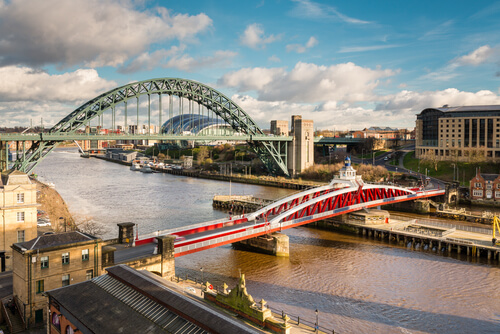 Whilst James Wharton was MP for the Northern Powerhouse, there was hope that having a representative from the region would help cement better opportunities for Newcastle-Upon-Tyne, including the same devolution deal planned for Manchester or increased foreign investment. Any hope for the former, however, came to an abrupt end when Sajid Javid announced in September that the region’s devolution deal had been ‘taken off the table’, following conflicts with local leaders.
Newcastle and its supporters are not the only ones to accuse Northern Powerhouse leaders of leaving huge swathes of the North behind. According to reports, two thirds of the North had no knowledge of the initial plans for the region during the early stages of the concept.
Perhaps, then, a Newcastle-centric Powerhouse should be considered?
Trapped in the Middle
Away from the warring North, and stuck in the crossfire between London and the Northern Powerhouse, is the West Midlands – a region which has seen some growth and diversification, but where productivity is still 10% lower than the national average.
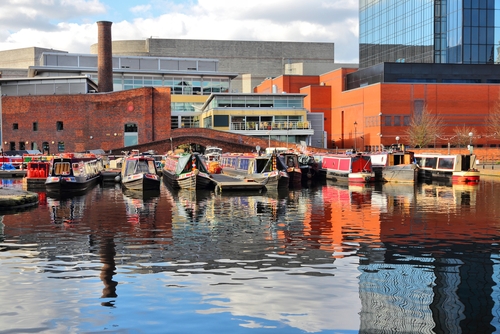 Since the Northern Powerhouse’s inception, many critics from the region have argued that the West Midlands deserves its own movement, as an area which not only has a lot to offer, but also could benefit from being elevated to the world stage in a manner such as Manchester. In response to the Northern Powerhouse, the region has created their own ‘West Midlands Engine’. Although it’s a great start to building a singular regional identity, it has so far failed to make as much noise as its rival.
When George Osborne was relieved of his duties as Chancellor, it was thought that the region might finally have a real opportunity to outshine its rivals. The Prime Minister has since spoken with great positivity, laying out intentions for empowering the region through the ‘Midlands Engine’. A government-backed West Midlands Powerhouse initiative is quite a possibility.
Benefits of Additional Regional Powerhouses
The introduction of more regionally centric powerhouses could see businesses and industries in these areas get the nurturing they need – as well as encouraging new emerging talent to stay in the area, preventing a so-called regional ‘brain drain’.
In addition, the electorate – under devolution – may benefit from de-centralised powers and a greater focus on their own local communities. For disenfranchised voters who feel Westminster neglects their corner of the world, this is an ideal solution.
Limitations
The Northern Powerhouse is still finding its shape and growing all the time, but it hasn’t been a smooth journey. Attempting to create copies of the model without a working template first could be setting up areas for failure. At a time of uncertainty with Brexit hanging over our heads, such turmoil isn’t welcome just yet.
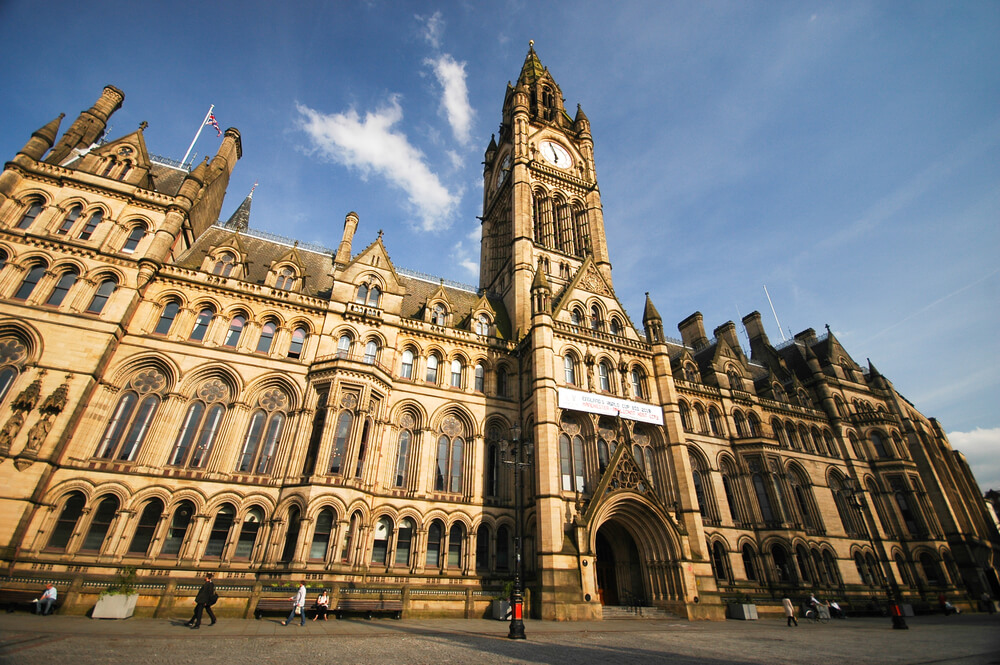 In addition, breaking up the country into further devolved powers and movements of growth could see a more widespread divide. After all, the Northern Powerhouse’s goal is to redress the balance – closing the gap between North and South as best as it can – rather than exacerbate the regional divide.
Making it Work for Everyone
Perhaps then, the solution lies in Westminster listening more closely to needs and wants of the Northern regions, and being sure to include them in the Northern Powerhouse’s continued development. Ensuring their inclusion and shifting the focus away from Manchester following its initial devolution, could help to heal the rift in the North holding the powerhouse back.
For the West Midlands – and any other region that wants to benefit from its own powerhouse – it would be sensible to work alongside the combined authority to build a unique model which works for the area, elevating the West Midlands Engine beyond a grassroots campaign. What works in the North may not, after all, work in the West Midlands.
What do you think? Should there be multiple regional movements, or should the focus remain on the Northern Powerhouse? Let us know your thoughts on Twitter.
Kaleida design and create bespoke software for customers in a range of industries. Find out more about our services or get in touch to discuss how we can help your business.