
The rise of artificial intelligence has often been portrayed in mainstream media as a menacing threat towards humanity. From The Terminator to the Matrix and beyond, AI in the real world has had to endure many misconceptions rooted in fiction. That being said, the thought of being replaced by a machine – echoing back to the Industrial Revolution – is a reasonable source of apprehension. As the likes of IBM’s Watson and Accenture’s automated systems evolve further, and machines creep into our lives more than ever before, it’s understandable that people might be apprehensive about their livelihoods.
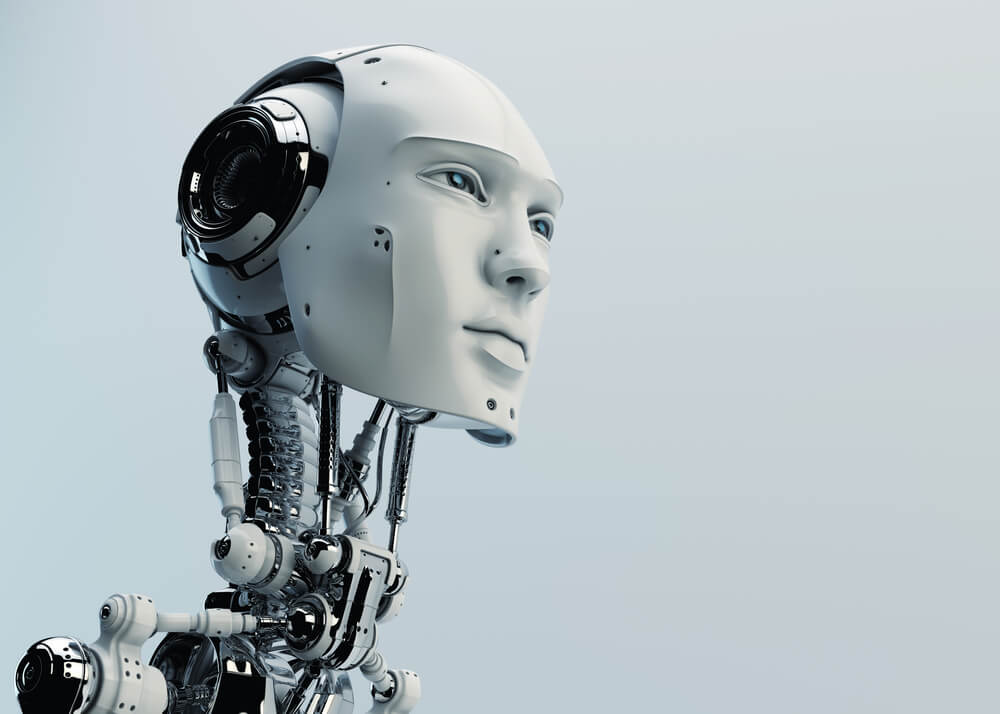 But take a step back, apply rational thinking, and this fear is misplaced. There is no real or immediate threat and AI doesn’t seem to be as developed as many conspiracy theorists would have us believe. In many ways, AI simply functions as a step up from the automated systems we create at Kaleida.
A Work in Progress
AI and its related technological innovations are at a level which impresses the public on a daily basis. There are automated systems revolutionising workflow in organisations, huge leaps in robotics being made in Japan, and unbeatable chess champions composed entirely of circuit boards and processors. But all of this impressive showcasing only goes to show that our development of AI is a long process, and the end result is a long way off.
AI and its ilk made two notable appearances in the news recently. Firstly, IBM’s Watson was tasked to make a trailer for Morgan, a film (fittingly) about AI rebelling. The result has been hailed by film critics and experts in the industry as everything from ‘eerie’ to ‘choppy’.
Using a programme to detect moments of interest (using metrics such as emotions, music and tell-tale signs of action), Watson pieced together a trailer running at roughly the same length as a music video. The computer could detect interesting moments in the film, but it lacked the emotion to understand what we’ve come to expect in a trailer. Rather than a sequence that could portray just enough of the story to intrigue and tug on heartstrings, the trailer highlighted most of the story in a mishmash of footage.
AI’s second appearance in the news followed Warner Brothers’ filing of copyright takedown orders against its own site and those of legitimate streaming services, such as Sky. The error came about as a result of the automated system used in detecting piracy sites employed by Warner Bros’ supplier, Vobile. The system could perform simple checks, but didn’t have the knowledge or perception to spot exceptions to the rule.
Great Things Ahead
 Just because AI hasn’t reached its peak, doesn’t mean there aren’t great things ahead. Programmes like Siri and Cortana continue to improve, and in the meantime, provide entertainment when they get things very wrong. We’re also seeing a rise in the development of automated PAs who will not only search for available meeting times and train tickets, but actually book them for you. A simple Google search will throw up all sorts of arguments over the pros and cons of artificial intelligence, and many of the positives are common sense. It makes sense to automate repetitive and time-consuming tasks, freeing up us humans to do the tasks that require emotional intelligence and adaptability.
By utilising AI in various stages of manufacturing and development, we can bring the number of errors down to zero without having humans minding automated machinery, as we do now. This is a step beyond the Industrial Revolution, as workflows and assembly lines speed up without the need for supervision. Similarly, AI technology has amazing applications in medicine and science for the same reason – AI can protect our work from human error and will eventually be able to replicate trials with ease.

Moving beyond the workplace, it’s easy to envision how AI can help us access places beyond our human capabilities, whether that’s the depths of the oceans or further into the galaxy. With the likes of AI-driven explorative craft and life support systems, we can find out more than ever what secrets our universe holds and help us explore the last frontiers of human exploration on our own planet.
All of these impressive feats are yet to come, but we already take advantage of Artificial Narrow Intelligence (ANI) – a term for weak AI – every day of our lives. Google’s search, Facebook’s Newsfeed algorithm and Amazon’s recommendations are all examples of ANIs we’ve already embraced, and which can be expanded on over time.
An Extension of Automation
What all of this tells us, is that artificial intelligence is a natural extension of automated systems – the likes of which have been around for decades. Before becoming overwhelmed with the possibilities (or pitfalls) of ‘true’ artificial intelligence as we imagine it, businesses should first focus on what automation can do for them in the realms of bespoke software.
Such systems, built to their precise specifications and featuring recommendations from developers, are a chance for businesses to get used to the idea of automation within their organisation well before AI is ready to do so. We regularly create automated systems from bespoke specifications that save our clients time and money. An example of this was our work for Sofology.
Artificial Intelligence and its related technologies are still a huge work in process. They have their limitations and although are able to complete certain repetitive tasks, they are unable to replace human interactions – and they are absolutely not synonymous with the imagery seen on the silver screen. To think otherwise would be to believe fiction over science – an all too human mistake to make.
Kaleida deliver bespoke software systems to organisations across a number of industries, providing solutions tailored to each business’ individual challenges. To find out more about what Kaleida can do for your teams, explore our site or get in touch.